Dressing aids for latex: talc, silicone and what never to use
Latex dressing aids are the powders and lubricants that let rubber slide onto skin instead of gripping and tearing. The main options are talc-free powder dusted inside the garment and silicone-based dressing lube applied to skin or garment; both work well, while oils and oil-based lotions must never be used because they permanently stain and degrade latex.
Latex grips bare skin, so getting a garment on without help is a struggle that often ends in a tear. A dressing aid is simply something that makes the rubber slide on cleanly. The two mainstays are a talc-free powder dusted inside the piece and a silicone-based lube applied to skin or garment. Both do the job well. The one firm rule is that oils are banned, because they stain and rot latex.
Why you need a dressing aid
Rubber and skin cling to each other, especially once you warm up. Try to pull a snug garment over dry skin and it drags, bunches and stresses the seams, and a snagged edge or nail can nick it. A dressing aid breaks that friction so the latex glides into place. It makes dressing quicker, gentler and far safer for the garment, which is why it is the first thing experienced wearers reach for. The full dressing method is in how to put on latex.
Talc-free powder
Powder is the simplest aid and a great starting point. You dust the inside of the garment lightly, and it slides over dry skin as you pull it on.
Use a talc-free powder, ideally a cornstarch-based one sold for latex. A light, even coat is all you need. Powder is cheap, tidy, easy to travel with, and good for gloves, stockings and simple pieces. The same powder also keeps latex from sticking to itself in storage, so a single tub covers both jobs. Its one downside is that it dulls shine slightly on the inside, which does not matter for surfaces against the skin.
Silicone-based dressing lube
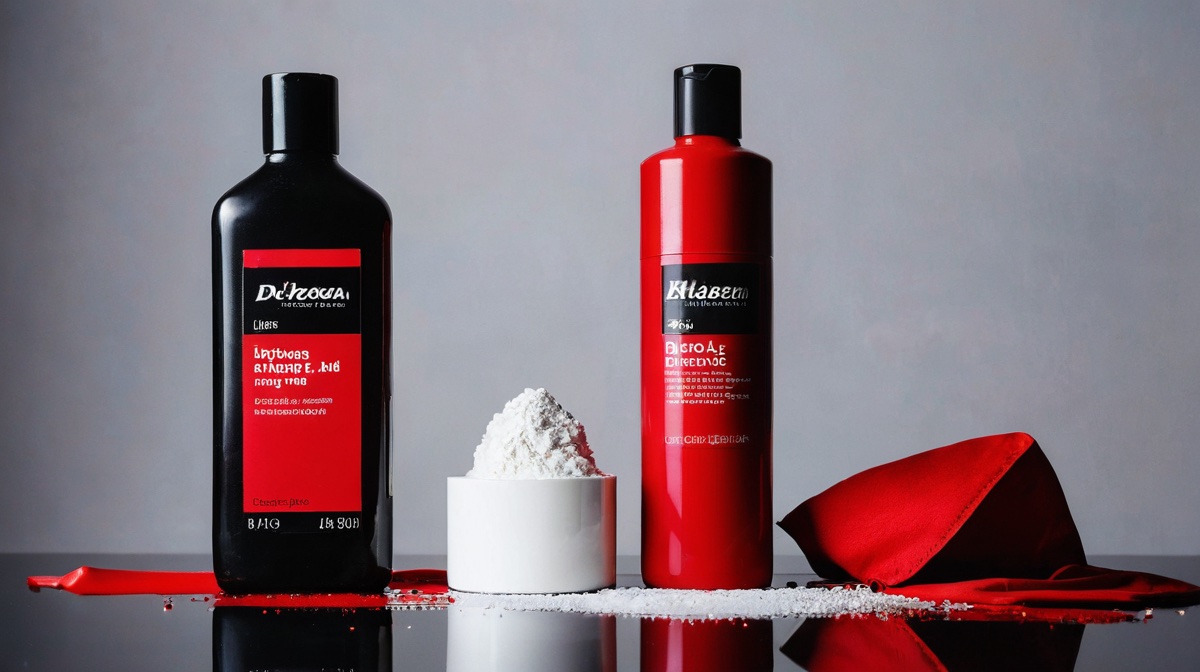
Silicone dressing lube gives the slickest result and that poured-on, high-gloss look. You apply a little to your skin or to the inside of the garment, and the latex slips on almost without friction.
It is the aid of choice for tight, full-coverage pieces like catsuits, and it leaves the outside ready to shine. Use silicone-based products only, and a little goes a long way. Some people combine methods, powdering the trickiest areas and using silicone elsewhere. Because silicone can make floors and surfaces slippery, apply it standing on a towel.
One product, two jobs, and combining aids
The talc-free powder you use to dress into a garment does a second job in storage, keeping the rubber from sticking to itself while it is folded away. That means a single tub of cornstarch-based latex powder covers both dressing and storage, which is handy and economical.
Many experienced wearers combine aids rather than picking one. A common approach is to dust the trickiest, tightest areas with powder for grip control while using silicone on the larger panels for a smooth glide and a shine-ready surface. Experiment to find what suits your garments and your skin. Keep a small travel tub of powder and a compact bottle of silicone in your kit, and reapply generously whenever a section stops moving, since running short of dressing aid mid-way is the usual reason a garment gets stuck. A little more product almost always solves a sticking point that force would only make worse.
What never to use
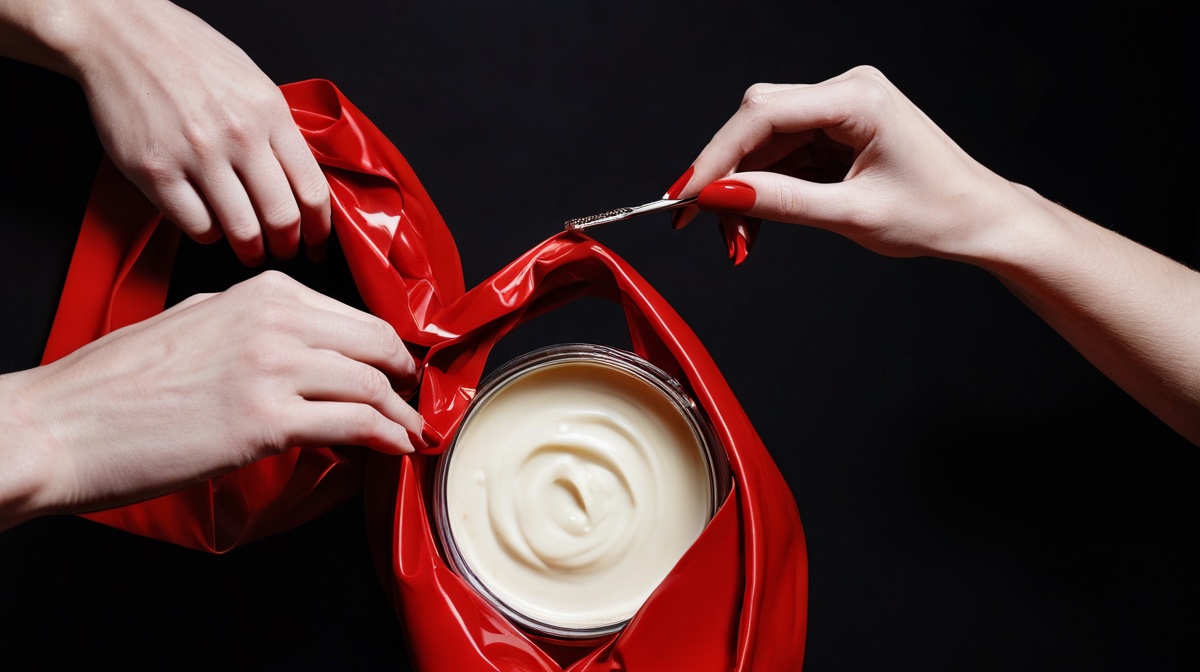
This is the part that protects your garments. Never use oil, oil-based lotion, petroleum jelly, massage oil or greasy skincare as a dressing aid. Oils degrade natural rubber and leave stains that no wash removes, as covered in what stains latex. Water alone does not work well either, since it just drags. Stick to talc-free powder and silicone dressing products, and you cannot go far wrong.
If your skin is sensitive, patch test any product first, and if you have a latex allergy, read the latex allergy guide before wearing rubber at all.
Shining after dressing
Once you are dressed with a silicone aid, the outside is primed for a final shine. A quick buff with a silicone-based latex polish on a soft cloth brings the gloss up beautifully, and how to shine latex covers doing it well. If you use an aerosol shiner while dressed, spray in a ventilated room and keep it away from your face. Questions about which powders and lubes people rate come up all the time in the fashion board and across the Club.
Questions people ask
What are the best latex dressing aids?
Talc-free powder for simple pieces and everyday use, and silicone-based dressing lube for tight, full-coverage garments and a high-gloss finish. Many wearers keep both and combine them.
Can I use talc powder on latex?
Use a talc-free powder, ideally a cornstarch-based one made for latex. It dusts the inside so the garment slides on and keeps it from sticking to itself in storage.
Why can't I use oil to get into latex?
Oils and oil-based lotions degrade natural rubber and leave stains that never wash out. Always use talc-free powder or a silicone-based product instead.
Take it past the page
Guides get you the method. People get you the shortcuts: the shops worth the money, the fixes that actually hold, and the nights worth dressing up for. The Club is full of them.
Find your people →