How to buy latex clothing: makers, fit, checks and avoiding mistakes
To buy latex clothing well, choose a reputable maker who publishes a real size chart and states the gauge, decide between off-the-peg and made-to-measure based on the garment, and check seams, colour, returns policy and reviews before paying. Start simple, measure accurately, and factor in shipping and any customs costs.
Buying latex clothing well comes down to picking a trustworthy maker, choosing the right route for the garment, and checking a few key details before you pay. Start with a simple piece, measure yourself properly, and buy only where a real size chart and clear policies are on offer. Do that and your first order is far more likely to fit and to last.
Decide what to buy first
Before shopping, decide what you actually want and how much you want to spend learning. If this is an early purchase, a simple, forgiving garment is the smart buy, as covered in your first latex piece. Save the intricate, thin-gauge statement pieces until you know how to dress into and care for the material. Knowing your target garment also tells you whether off-the-peg will do or whether you need a custom fit.
Finding a reputable maker
The maker matters as much as the garment. Look for a few good signs. A real size chart with body measurements, not just S, M and L. A clear statement of the gauge and materials. Photographs of actual products, ideally on a range of bodies. Honest descriptions of seams and finish. Reviews or a visible reputation in the community. A readable returns, exchange or remake policy.
Be wary of sellers who publish no measurements, use only stock images, or make vague claims. If a price looks far below everyone else, expect thin material or poor finishing. Community recommendations are gold here, and members in the fashion board freely share who they trust.
Off-the-peg or made-to-measure
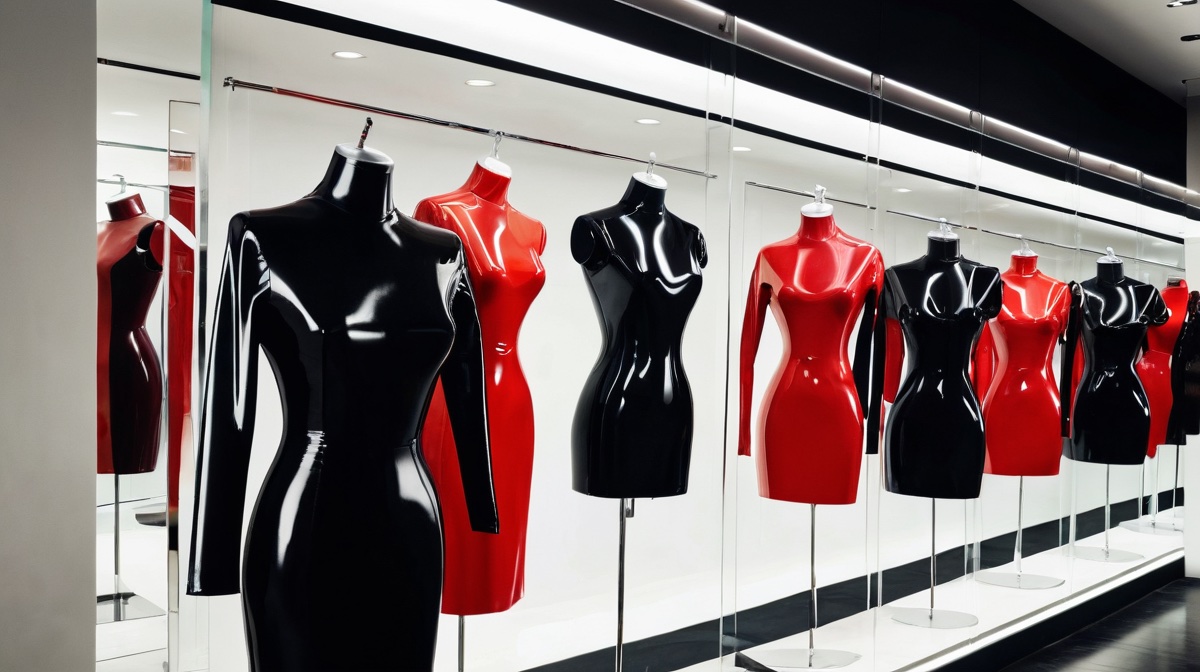
Two buying routes suit different needs.
Off-the-peg is quicker and cheaper and works well for simple shapes such as gloves, stockings, briefs and basic tops. You buy a listed size against the chart.
Made-to-measure means the maker cuts the garment to your measurements. It costs more and takes longer, and for fitted pieces like catsuits and dresses it is the surest way to a clean fit on your body. If you are between sizes or have a shape that off-the-peg rarely suits, custom is usually worth the wait. The latex sizing guide explains the measurements a maker will ask for.
What to check before paying
Run through a short checklist before you commit. Have you compared your measurements to this maker’s chart, not a generic one? Do you know the gauge, and is it right for your experience level? Is the colour and finish clearly shown? Are seams described as neatly glued and finished? What is the returns or remake policy, and what happens if the fit is wrong? For a custom order, what are the timelines? Clear answers to these mean a safer purchase.
If you have any history of reacting to rubber, sort that out before buying, using the latex allergy guide to patch test first.
Red flags to avoid
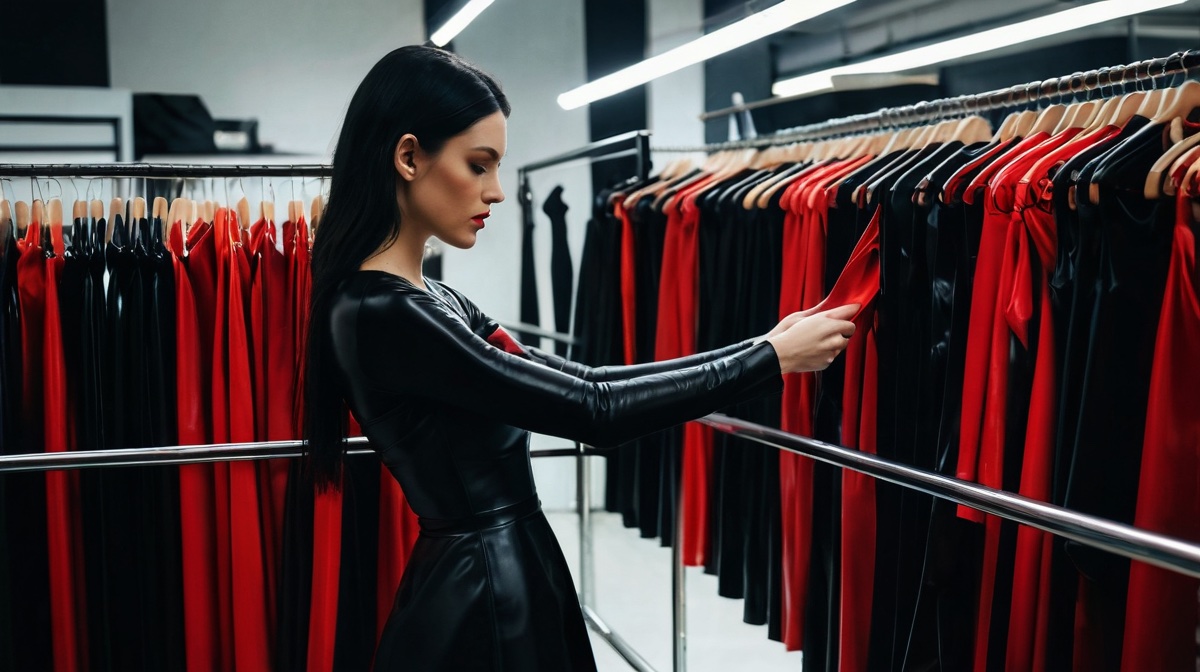
A few warning signs mark a seller worth skipping. No published measurements, only vague S, M and L labels, is the biggest one, because you cannot size a rigid material without numbers. Stock images with no photos of the actual product are another, as is silence about gauge and materials. Prices far below everyone else usually mean thin sheeting, rushed seams, or both.
Be cautious of listings that make grand claims but answer no questions, and of sellers with no reviews or community presence at all. A trustworthy maker is happy to discuss fit, gauge and returns before you order. If a seller dodges those questions or pressures you to buy quickly, keep your money and look elsewhere. A little patience here saves the disappointment of a piece that does not fit or does not last.
Ordering, shipping and aftercare
When you order, factor in the extras. Latex often ships from specialist makers, so allow for shipping time, and for international orders check whether customs or import charges may apply. Custom pieces can take weeks, so order well ahead of any occasion.
When the parcel arrives, do not rush the first wear. Get a dressing aid ready, take your time, and clean and store the piece properly afterwards so your investment lasts. The care routine is covered in how to clean latex and the storage guides. For a second opinion on a maker or a specific listing, the Club is the fastest sanity check there is.
Questions people ask
How do I find a trustworthy latex maker?
Look for a real size chart with measurements, a stated gauge, photos of actual products, clear seam descriptions, and a readable returns or remake policy. Community recommendations are a strong signal too.
Is off-the-peg or custom latex better for a first buy?
Off-the-peg suits simple starter shapes and costs less. Made-to-measure is best for fitted pieces later, once you know how latex fits and how to measure accurately.
Are there extra costs when buying latex?
Often yes. Allow for shipping from specialist makers, possible customs or import charges on international orders, and longer lead times for custom pieces.
Take it past the page
Guides get you the method. People get you the shortcuts: the shops worth the money, the fixes that actually hold, and the nights worth dressing up for. The Club is full of them.
Find your people →