Latex care and shine: how to clean, store and polish rubber
Wash latex in cool water with a little mild soap, rinse, and dry it fully on both sides before storing. Dust the inside with a talc-free powder so it does not stick to itself, keep it away from metal, sunlight and oils that stain, and bring back the shine with a proper silicone-based latex polish in a well-ventilated room.
Care is the quiet half of latex, and it is the half that decides whether a garment lasts one season or ten years. The shine you admire on other people is mostly maintenance: clean rubber, dried properly, dusted, stored with a bit of thought, and finished with the right polish. None of it is difficult once you know the order to do it in.
This guide walks through the whole cycle, from washing after a wear to bringing a tired piece back to a mirror gloss.
Washing and drying
After wearing, latex needs a gentle wash. Use cool or lukewarm water with a small amount of mild soap. Swish the garment, wipe it down, and rinse it. Do not scrub, wring or twist it, and skip anything harsh or solvent-based.
Drying matters more than washing. Pat off the worst of the water, then let the piece air-dry fully on both the inside and the outside. Turn it if you need to so no damp is trapped in a fold. Resist the urge to speed things along with a hairdryer, radiator or sunny windowsill, because heat and UV both break latex down over time. A garment that goes into storage even slightly damp is the one that comes out sticky.
Dusting and storage
Once it is completely dry, dust the inside lightly with a talc-free powder so the surfaces do not cling to each other. Cornstarch-based powders sold for latex are ideal. A thin, even coat is all you need.
Then store it kindly. Fold it loosely, or hang it over a padded rail so the shoulders are not stressed. Keep it in a cool, dark place, since light and heat are what age rubber fastest. Above all, keep metal away from it: brass and copper in particular react with latex and leave permanent marks, so no coat hangers with exposed metal hooks touching the surface, and no coins or jewellery left in a bag with it.
What stains latex, and how to avoid it

A few things stain latex in ways no wash will fix, so prevention is the whole game. Metals leave brown or green marks. Oils, oil-based lotions and some perfumes cause discolouration and can degrade the surface. Ozone from motors and certain electronics ages it. And dark dyes will bleed onto pale rubber if the two sit pressed together.
The habits that protect it are simple. Take off jewellery before handling it, keep oily skincare and scent away from it, and store light and dark pieces apart. If you are ever unsure whether a product is safe near latex, keep it away.
Shining it to a mirror finish
Now the satisfying part. Shine comes from a dedicated silicone-based latex polish applied to a clean, dry garment. Reach for the product made for the job, not a household spray, because furniture and tyre sprays can carry solvents or oils that harm the material.
Put a small amount on a soft, lint-free cloth and buff the surface gently until it comes up glossy. A little goes a long way, and thin even passes look better than one heavy coat. If you use an aerosol shiner, do it in a well-ventilated room, keep it away from your face and any flame, and let it settle before wearing. Good ventilation is not optional with sprays.
Reviving a dull or sticky piece
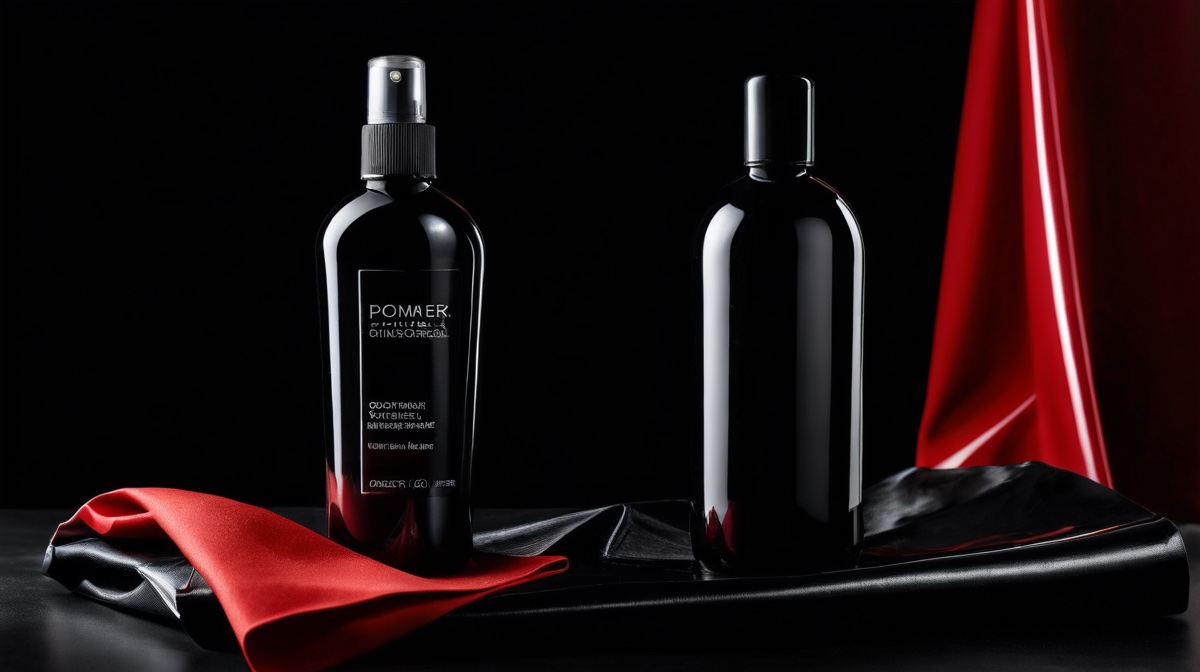
A garment that has gone flat or tacky is usually rescuable. Wash it as above, dry it thoroughly, and dust the inside. That alone brings most sticky pieces back. Then re-shine it. If brown or green stains remain after all that, they are almost certainly metal or oil marks that have set into the rubber, and those are permanent, so adjust your storage rather than chase them.
Where to go next
If you are still assembling the basics, our latex for beginners guide covers buying and first wears, including the safety points worth knowing before a full outfit. And for the odd, specific problem, a seam lifting or a colour you cannot place, the people in the Club trade fixes daily. Look after the rubber and it looks after you.
Questions people ask
What actually makes latex shiny?
A thin film of silicone-based latex polish sitting on clean, dry rubber is what gives that wet, mirror look. The latex itself is fairly matte until you dress it. Household furniture or tyre sprays are not a substitute, and some contain solvents or oils that damage the material, so use a product made for latex.
How do I stop latex going sticky in storage?
Sticky latex is almost always latex that went away damp or undusted. Dry it completely, then dust both sides lightly with a talc-free powder before folding it loosely. Keep it in the dark, away from heat and metal, and it should stay smooth and supple.
Why did my latex stain or discolour?
Metals such as brass and copper, along with oils and some perfumes, react with latex and leave brown or green marks that will not wash out. Keep coins, jewellery, oil-based lotions and scent well away from it, and store pale colours separately from dark ones so dye cannot migrate.
More on Care & shine
-
How to clean latex: gentle hand washing and drying that protects rubber
A gentle guide to how to clean latex by hand: cool water and mild soap, no scrubbing or solvents, then full two-sided air drying before you dust and store it.
-
How to shine latex: get a safe mirror finish that lasts
A clear method for how to shine latex to a mirror finish: the right silicone polish, cloth or spray, thin even coats, and the ventilation that keeps it safe.
-
How to store latex so it stays smooth, supple and stain-free
A practical guide to how to store latex so it stays supple: dry and dust it first, keep it cool, dark and off metal, and separate colours to stop dye transfer.
-
What stains latex: metals, oils and dyes to keep away from rubber
A clear guide to what stains latex and why: metals, oils, perfumes and dye all leave permanent marks, plus the handling and storage habits that prevent them.
Take it past the page
Guides get you the method. People get you the shortcuts: the shops worth the money, the fixes that actually hold, and the nights worth dressing up for. The Club is full of them.
Find your people →