Latex vs PVC vs rubber: shine, fit, price and care compared
In the latex vs pvc vs rubber question, latex is thin natural rubber sheeting that is glued, form-fitting and high-shine but delicate and allergenic; PVC (vinyl) is a plastic-coated fabric that is sewn, cheaper, tougher and easier to wear but less body-hugging; and rubber is the broad family latex belongs to. Choose by budget, durability, shine and whether a latex allergy rules natural rubber out.
People shopping for glossy clothing meet three words quickly: latex, PVC and rubber. They are related but far from identical. Latex is thin natural rubber sheet, glued into shape and prized for its shine and cling. PVC, often called vinyl, is a plastic coating bonded to a fabric backing and sewn like ordinary clothes. Rubber is the broad family that latex belongs to. Here is how they compare on the things that actually matter.
The quick answer
If you want the highest shine and a poured-on fit, and you can look after a delicate material, latex wins. If you want something tougher, cheaper and easier to wear day to day, PVC is the friendlier choice. If you react to natural rubber, latex and most rubber are off the table, and PVC becomes the practical alternative. The rest is detail.
What each material actually is
Latex is sheeting made from natural rubber. Garments are cut from flat sheet and glued at the seams, which is why they cling and shine, and also why they can tear. Because it is natural rubber, it can trigger a latex allergy in some people, covered in the latex allergy guide.
PVC, or vinyl, is polyvinyl chloride, a plastic. Clothing PVC is usually a shiny plastic layer laminated onto a stretch fabric backing, then sewn. It has a glossy face but behaves more like a coated textile than sheet rubber.
Rubber, in clothing terms, is the umbrella word. Latex is one kind of rubber. Thicker moulded rubber and heavy rubber sheeting also exist, used for sturdier garments. For a fuller primer on the natural material, see what is latex clothing.
Shine, stretch and feel
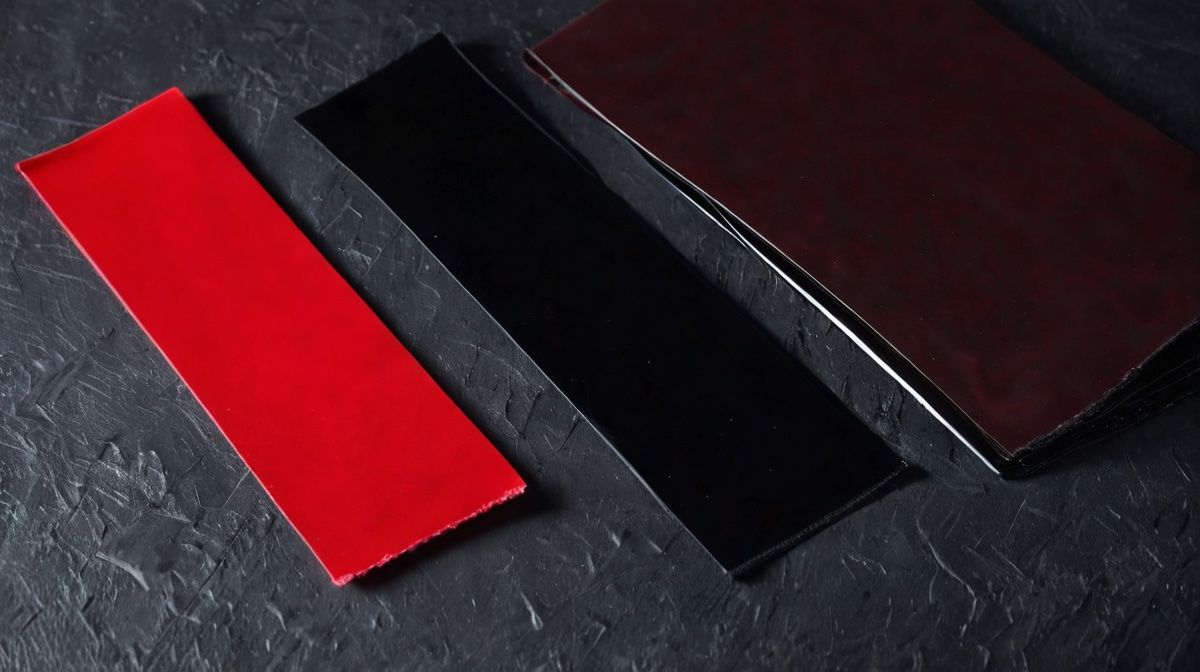
Shine is where latex leads. Polished latex gives a true mirror gloss that PVC rarely matches, though PVC has a bright, glassy look of its own straight off the rack with no polishing needed.
Stretch and fit differ too. Latex hugs the body with almost no slack, following every line. PVC stretches only as much as its fabric backing allows, so it fits more like snug clothing than a second skin. On feel, latex is cool then warm and very close; PVC feels more like a firm, shiny fabric.
Price, durability and care
PVC is generally cheaper and much tougher. It resists tears, needs no special dressing aids, and gentler machine-friendly care is often fine, though you should still check the label. Latex costs more, tears more easily, and needs the full routine: a dressing aid to get on, gentle hand washing, careful drying, dusting and polishing. Our guides on how to clean latex and how to store latex cover that care.
So the durability trade is real. You pay for latex with money and maintenance, and you get shine and fit in return.
Other shiny fabrics and where they sit

Latex, PVC and rubber are the main three, but a few other materials sit nearby and are good to know. Wet-look and liquid-look fabrics are stretch textiles with a shiny coating or finish. They are the easiest of all to wear, machine washable and cheap, though their shine is softer and they lack the sculpted fit of latex. Faux leather and coated spandex fall into the same family.
Thicker rubber and moulded rubber sit at the other end, heavier and more hard-wearing than thin latex sheet, and used for sturdier garments and accessories. Where a material lands on shine, stretch, durability and price is what should guide your choice. If you want the drama of latex without its fragility or its allergy risk, a wet-look fabric or PVC is the sensible substitute, while nothing quite matches polished latex for a true mirror finish and a second-skin fit. Trying a cheaper shiny fabric first is a low-cost way to see whether the look suits you before investing in latex.
Which should you choose?
Match the material to your priorities. Choose latex for maximum shine, the closest fit and a willingness to maintain it. Choose PVC for a lower price, easier wear and better toughness, or if a latex allergy rules natural rubber out. Many people own both and reach for whichever suits the occasion. To weigh up buying either way, the fashion board is full of members who have tried both and will tell you plainly which they prefer and why.
Questions people ask
Is PVC or latex better?
Neither is simply better. Latex gives the highest shine and closest fit but is delicate and needs care. PVC is cheaper, tougher and easier to wear but less body-hugging. Choose by your priorities.
Is PVC safe if I am allergic to latex?
Generally yes, because PVC is a plastic and contains no natural rubber, so it does not trigger a latex allergy. If your allergy is severe, check materials carefully and speak to a doctor.
What is the difference between latex and rubber?
Latex is one kind of rubber, specifically thin natural rubber sheeting used for clingy, glued garments. Rubber is the broader family, which also includes thicker moulded and heavy rubber pieces.
More on Fashion & fit
-
Latex for your body type: fit, cut and colour that flatter any frame
How to choose latex for your body type: since rubber has no give, fit comes first, so cut, colour and seam lines flatter curves, height and shape on any frame.
-
Latex outfit ideas: build a look from subtle daywear to full statement
Practical latex outfit ideas for any level: build around one hero piece, mix rubber with matte fabrics, play with colour and shine, from subtle to bold looks.
-
Dressing aids for latex: talc, silicone and what never to use
A practical guide to latex dressing aids: talc-free powder versus silicone lube, how to use each, why oil ruins rubber, and shining a piece once dressed.
Take it past the page
Guides get you the method. People get you the shortcuts: the shops worth the money, the fixes that actually hold, and the nights worth dressing up for. The Club is full of them.
Find your people →